The Japan Alps
Seven cities. Three mountain ranges. Six of Japan’s nine 3,000-metre peaks. The region most travellers fly over — and shouldn’t.
The Japan Alps in 60 seconds
Three great mountain ranges — Northern (Hida), Central (Kiso) and Southern (Akaishi) — cut down the spine of central Honshu. Seven cities at their feet make the obvious bases. The infrastructure is good, the trails are well-marked, and the food is regional in a way that survives the journey out.
Pick your base
Each of these cities is its own destination, not a stopover. Most trips through the region pick two or three to spend nights in. Here’s the headline draw of each, with full guides one click away.
Three things to read first
Whether you’ve got a long weekend or two weeks, the Japan Alps reward a bit of planning. These three guides cover the essentials — routes, transport, and the safety side most guides skip.
Itineraries
Three core routes through the seven cities, from a five-day quick run to a ten-day version with hut-to-hut hiking in the Northern Alps.
Getting there
The four ways into the Japan Alps from outside the region, with current Shinkansen times, prices, and which JR Pass actually pays off.
Altitude & safety
Six of Japan’s nine 3,000-metre peaks are here. What altitude sickness actually feels like and how to plan around it.
Kamikochi: a 15-kilometre alpine valley with no cars
A protected river valley at 1,500 metres in the Chubu Sangaku National Park, off-limits to private vehicles since 1975. The Kappa-bashi bridge, the wetland boardwalks, and the one hour of the day the valley is genuinely yours.
Read the Kamikochi guide →Jigokudani Snow Monkeys: bathing macaques at 850m
The famous Japanese macaques have been soaking in the Korakukan-fed pool at Jigokudani since 1964, after one curious female followed a hotel bath upstream. The window when the photos look right is narrower than most travellers think, and the walk in is the part nobody mentions.
Read the snow-monkey guide →Kurobe Gorge Railway: 20km up a vertical canyon
An open-sided narrow-gauge train climbs the Kurobe canyon from Unazuki to Keyakidaira on tracks originally built to service the country’s tallest dam. Three stops, three different reasons to get off, and the late-October maple-leaf window that tips the gorge from green to fire.
Read the Kurobe Gorge guide →Featured guides
Three more articles that distil the best of the Japan Alps experience — the trans-mountain crossing, the snow corridor, and the ten-resort lift pass.
Tateyama-Kurobe Alpine Route
Nine vehicles across 90 kilometres of mountain, taking you up to 2,450m and through the 18-metre snow corridor at Yuki-no-Otani. The full nine-stage breakdown.
Read the route →Skiing in the Japan Alps
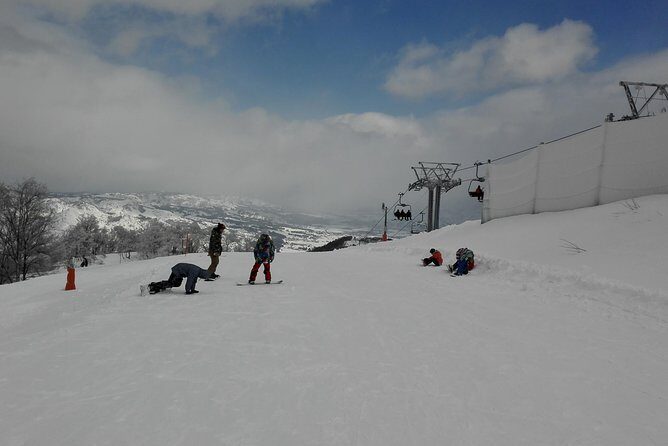
The Hakuba Valley ten-resort lift pass, plus Norikura, Shiga Kogen and Nozawa. How the powder differs from Hokkaido, when to come, and three itineraries from four to ten days.
Read the ski guide →Narai-juku post town
The longest preserved post town on the Nakasendo, almost a kilometre of Edo-period inns, lacquer-ware shops and lantern-lit lanes. How to walk it from end to end and which inn to book for the night.
Walk the post town →More to explore
From the longest preserved post town in Japan to the country’s tallest dam — the Japan Alps cover a lot of ground.
Latest stories
The newest additions to the guide — a mix of city deep-dives, route breakdowns and seasonal notes.
- Kanazawa Private Customizable Half Day Tour
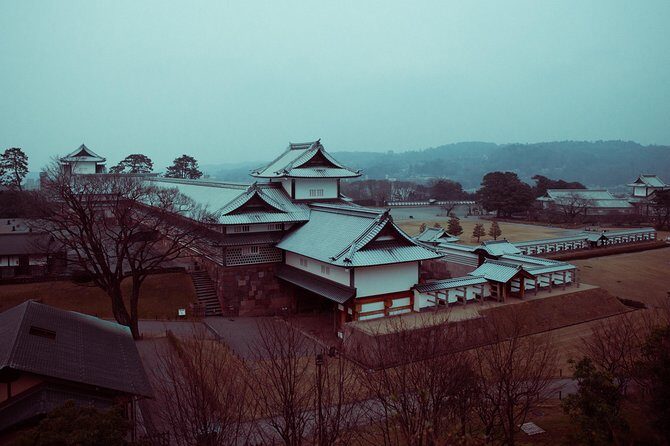
- Timeless Takayama: Private Walk Through History & Beauty
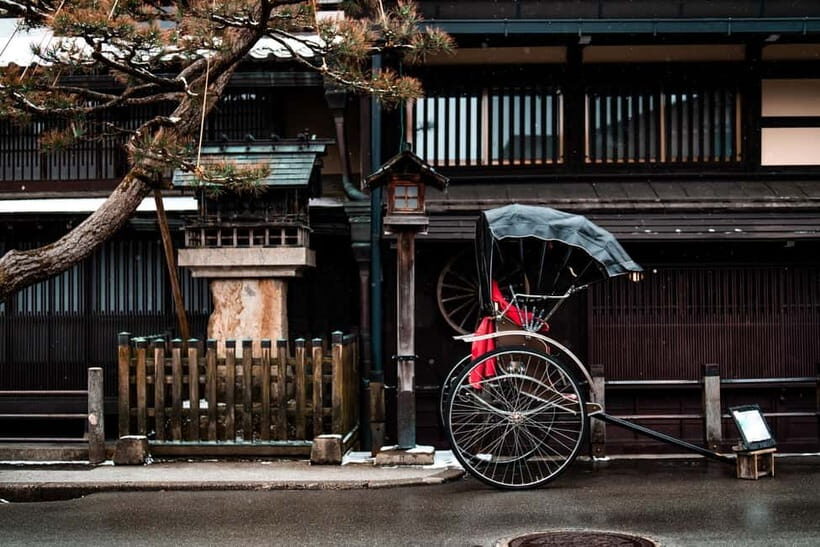
- Ghost Stories and Nightlife Tour of Takayama
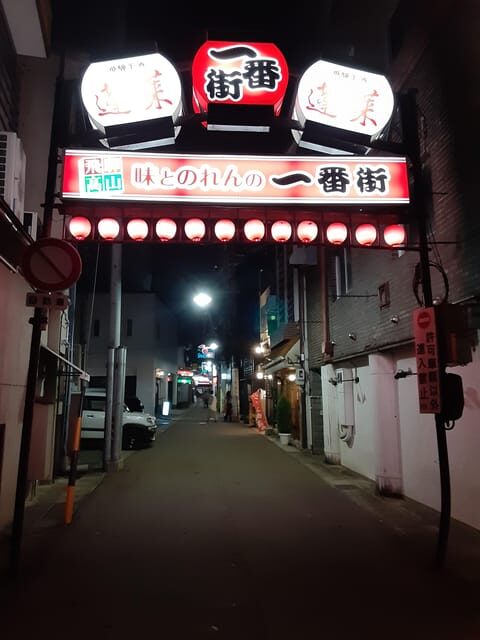
- From Takayama: Foodie Adventure, Showa Era, & the Old Town
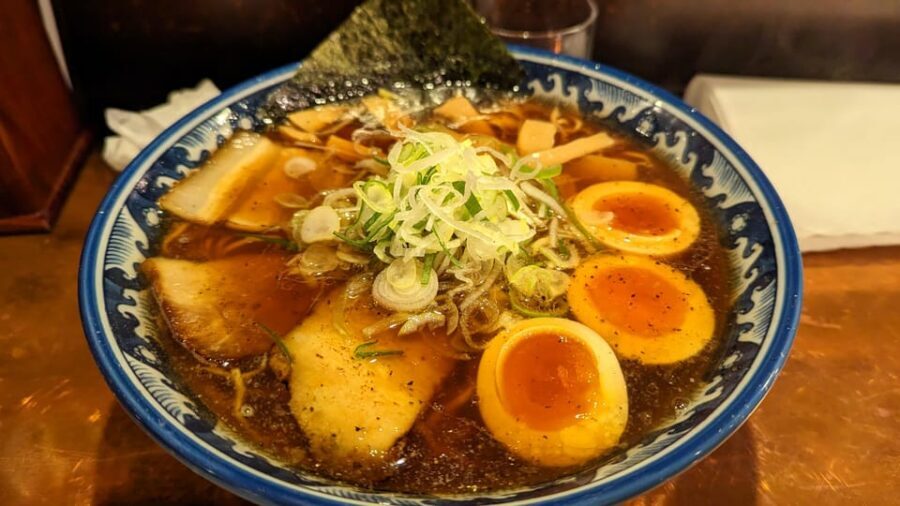
- 4 Day – From Nagano to Kanazawa: Ultimate Central Japan tour
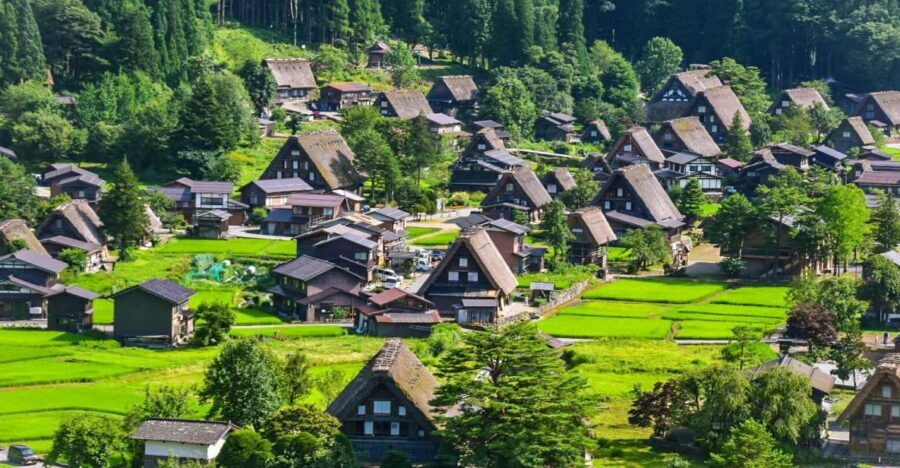
- Nagano full day private tour with English speaking driver
- EXPERIENCE TAKAYAMA OLD TOWN & MORNING MARKETS in 1 Hour!
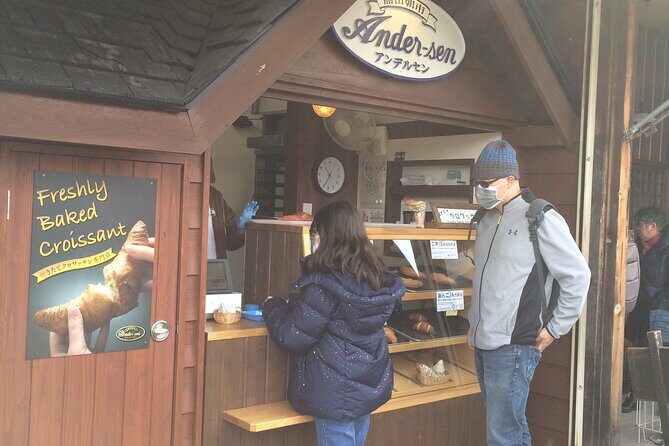
- Takayama Rice ball Making and meditation at Takayama Zenkoji.
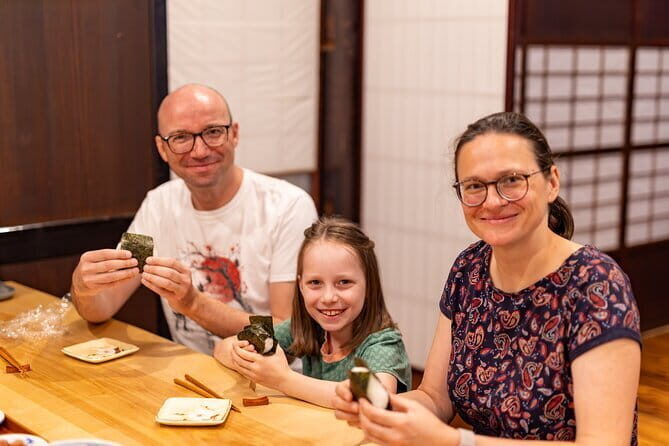
- Full Day Snowboard Lesson (6 hours)